Serranía de Ronda

Location - Serranía de Ronda.

Where Dehesa Monteros was born.

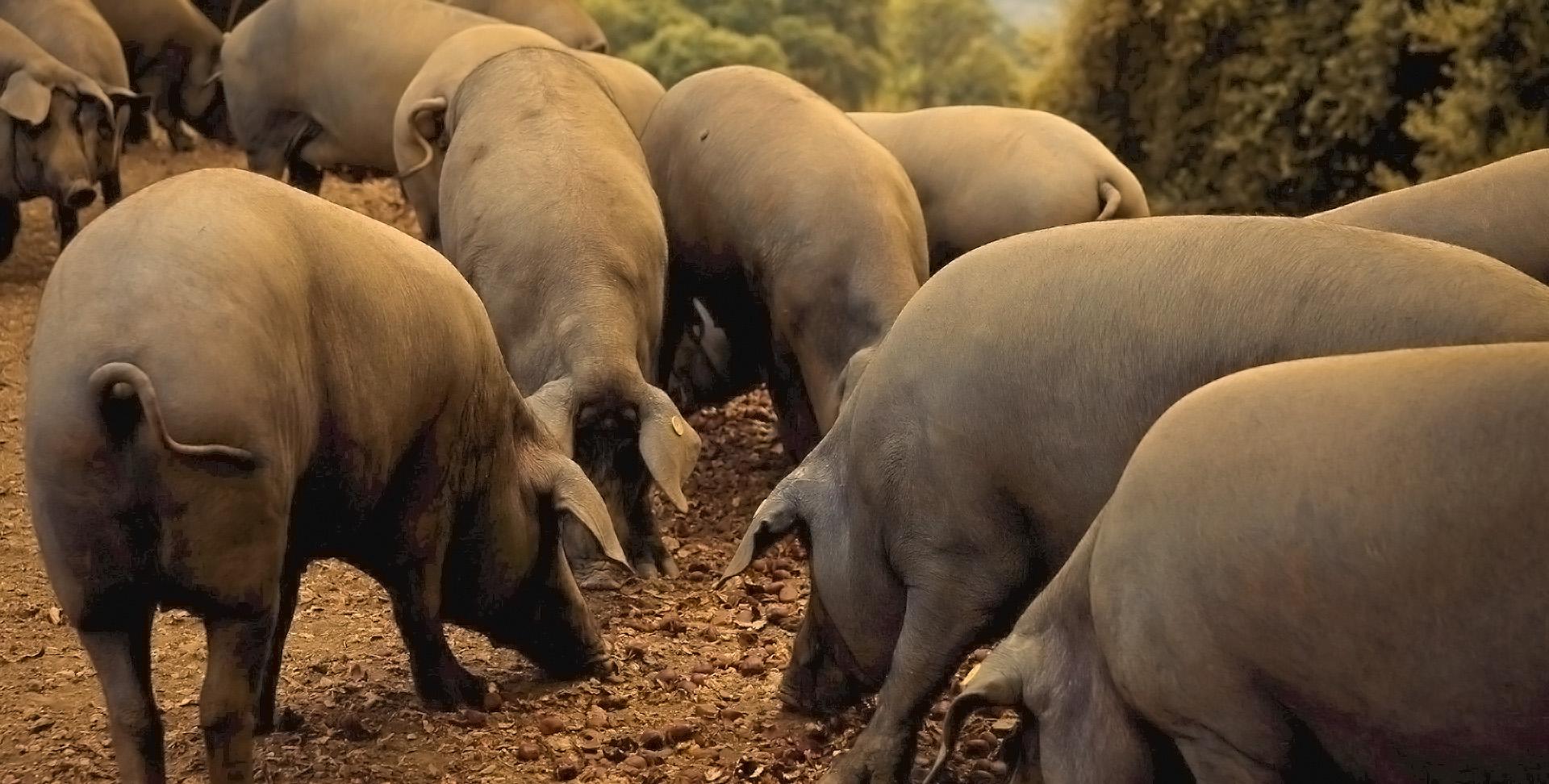
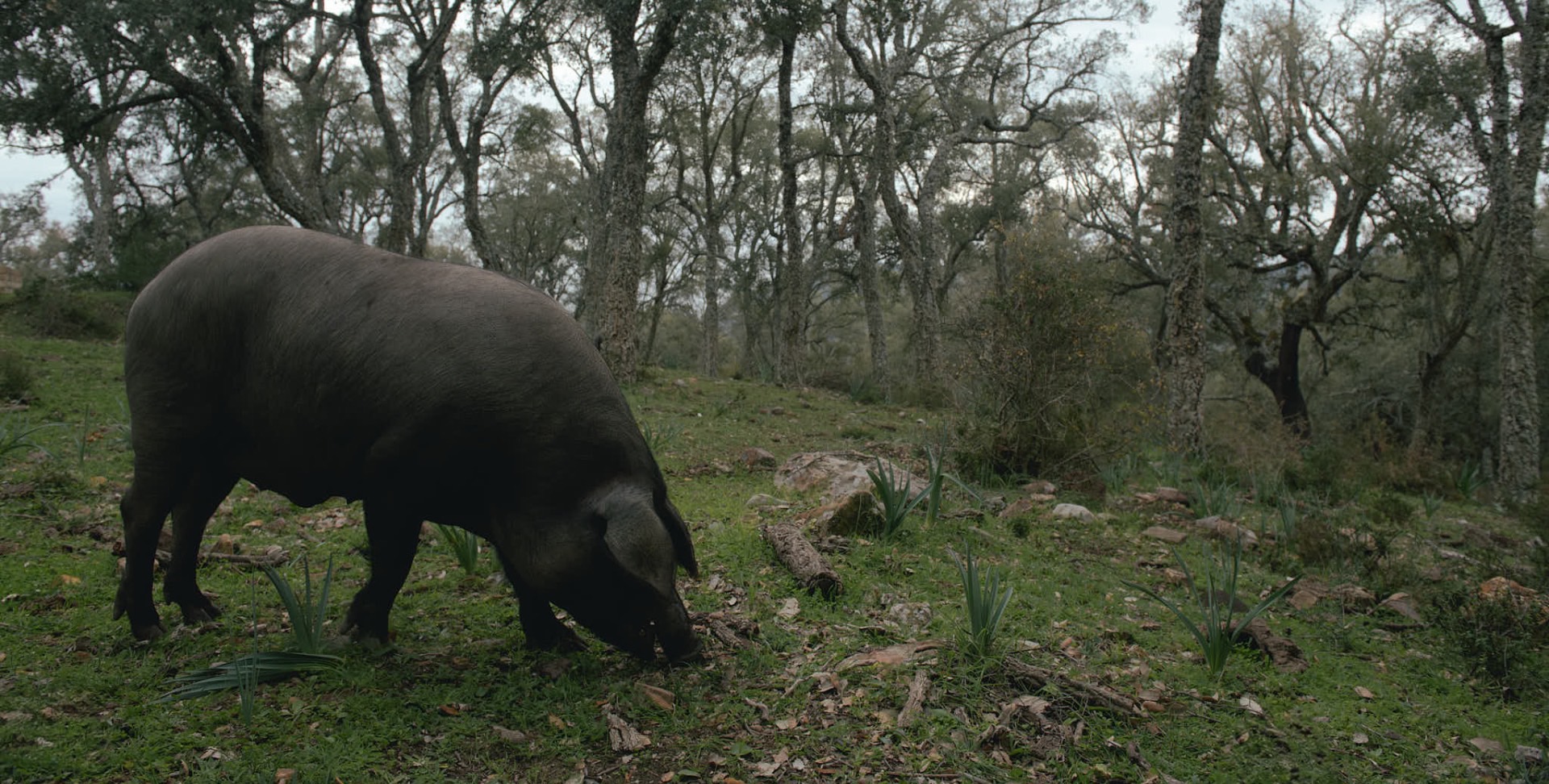
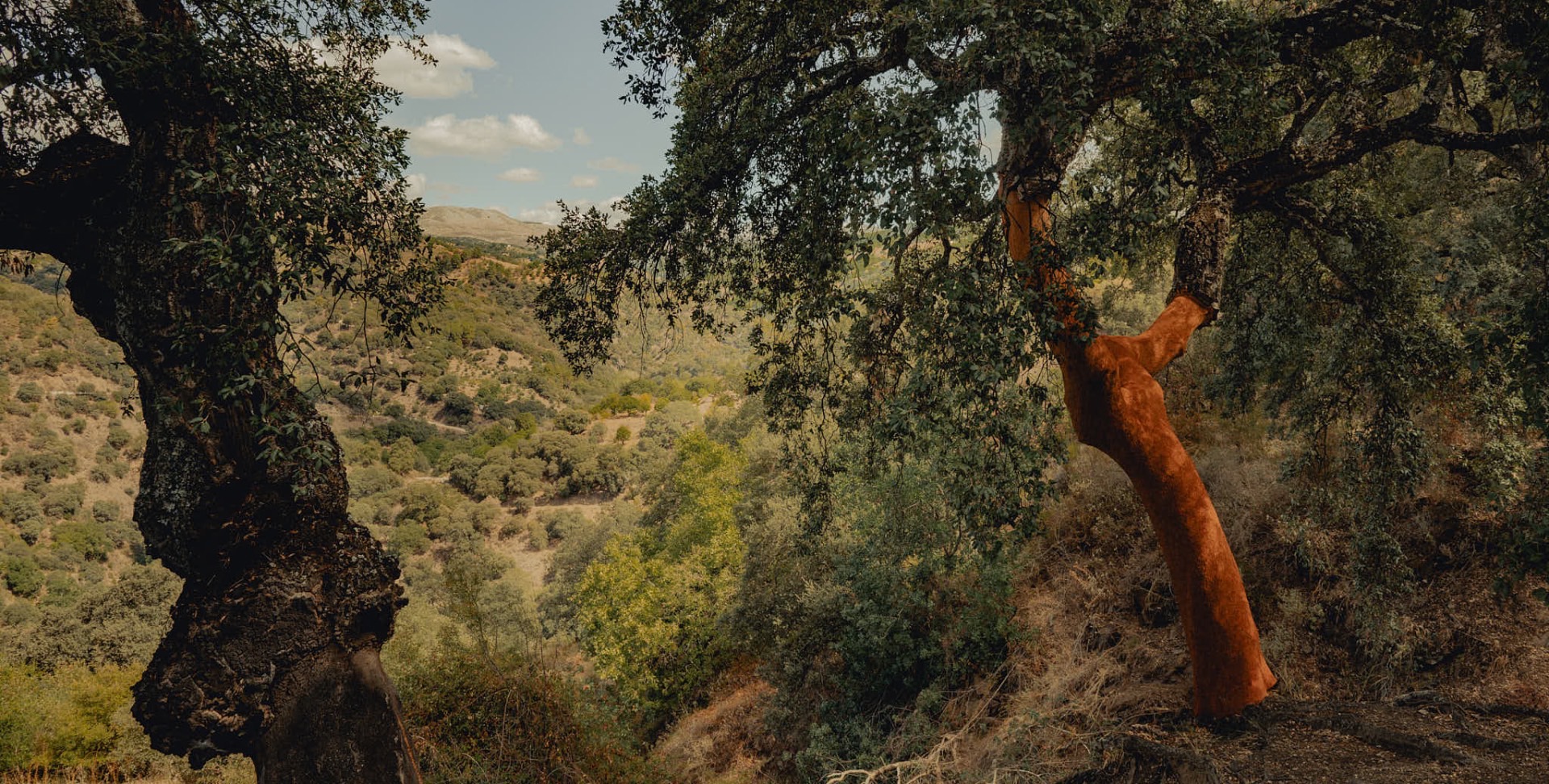
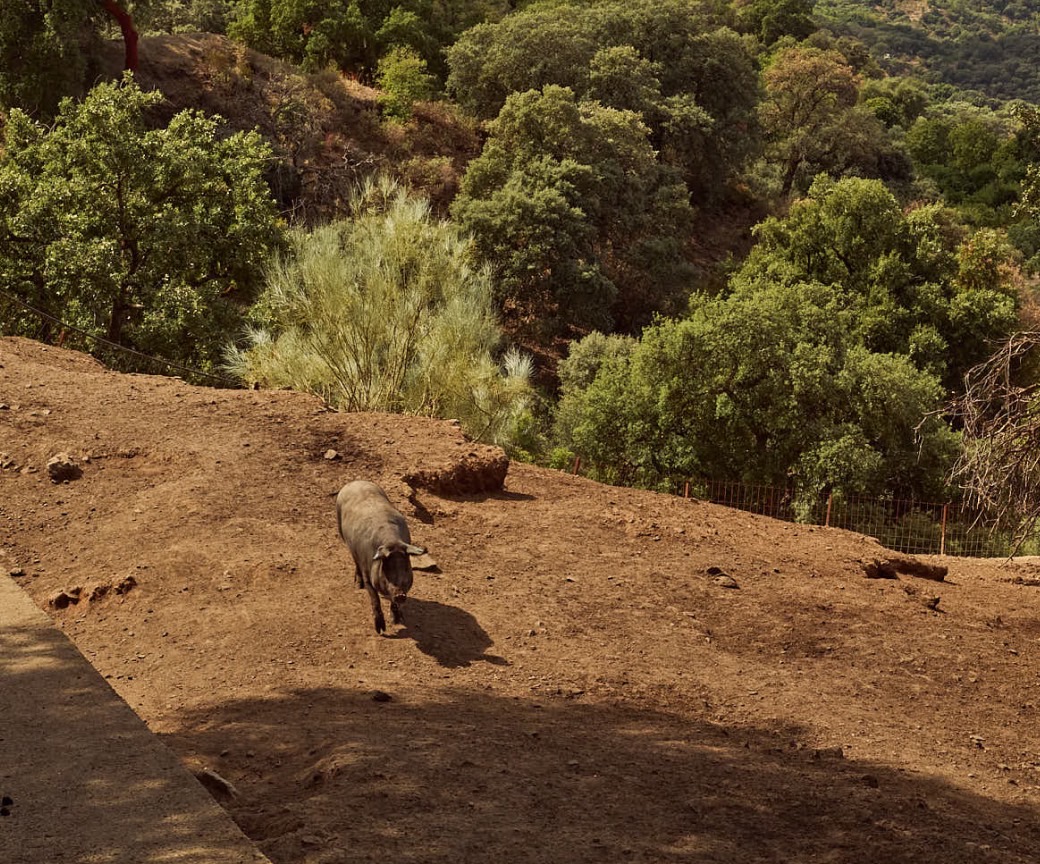
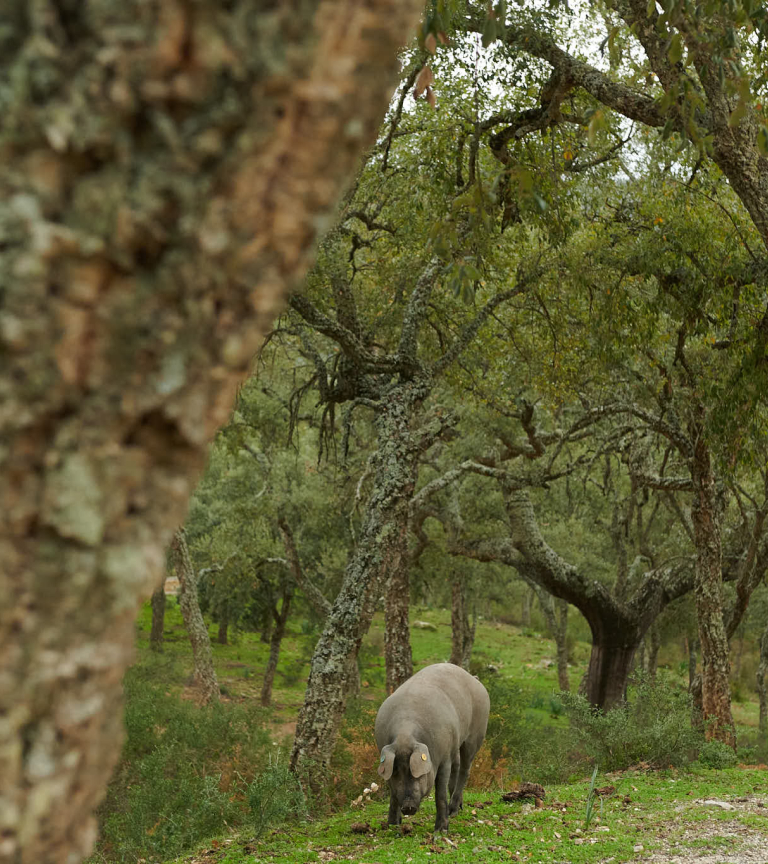
Its location, its orography, its microclimate, its natural wealth and the marked traditions of its people, make the Serranía de Ronda a unique and special place both within Spain and Andalusia. - All its peculiarities influence the breeding of the Iberian pig, which takes advantage of them in an exceptional way to achieve products of the highest level.

Crossroads (01)

The region of the Serrania Rondeña extends to the south of Spain, in the province of Malaga, bordering the province of Cadiz, less than 15 kilometers from the Mediterranean Sea and just over 50 kilometers from the Atlantic Ocean. It is a crossroads, a true Atlantic-Mediterranean and maritime-continental border.
Geology (02)

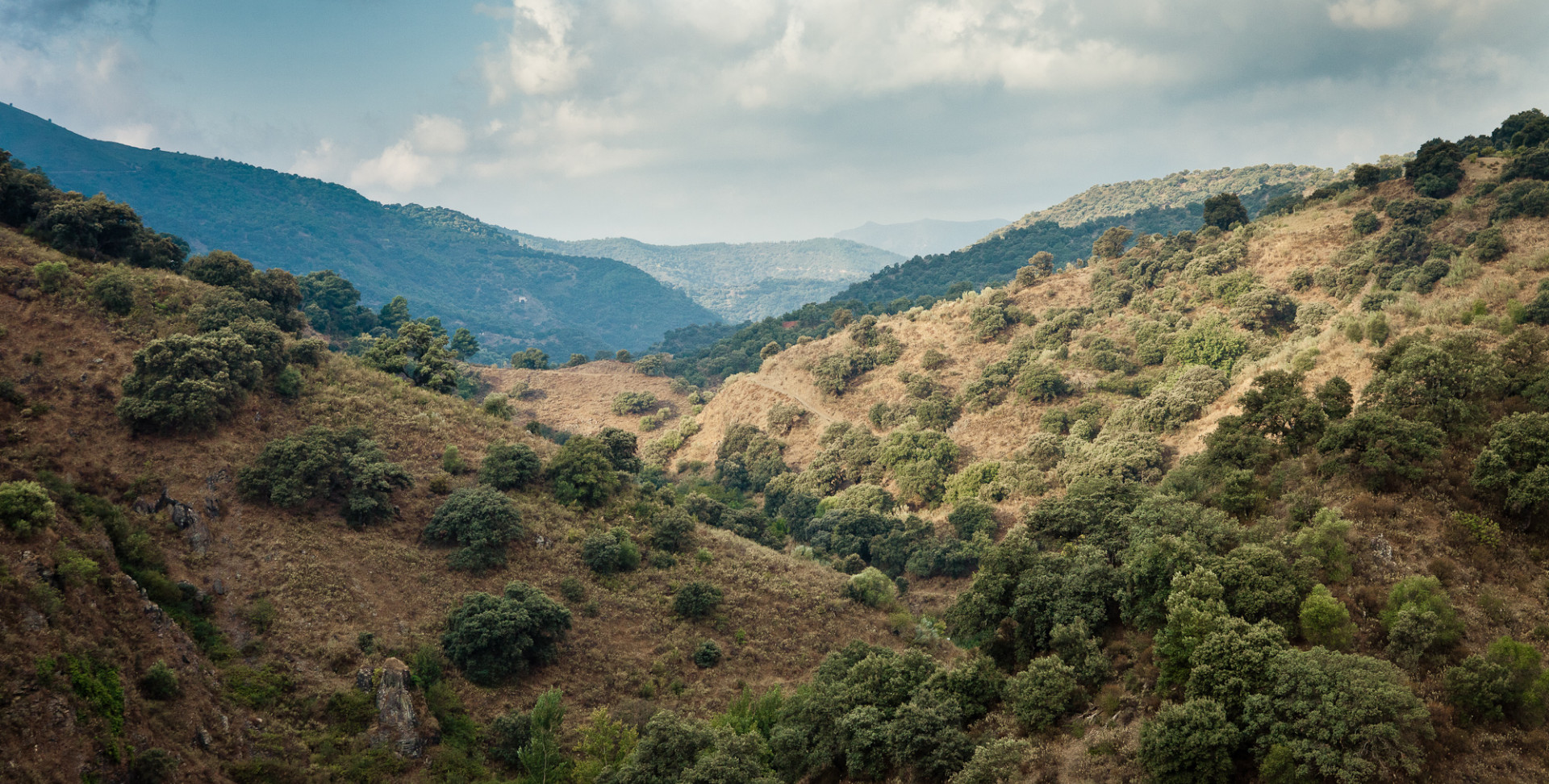
It is the last southern foothills of the Penibetica mountain range, is formed by large dolomitic formations that can be seen in its granitic peaks. It consists of a network of valleys and canyons carved by the rivers that cut through it.

Humid climate (03)

The Serranía is the first great mountainous elevation that the sea winds encounter when arriving to the peninsula from the South and it collects all its humidity until becoming the region with one of the highest rainfall in the Iberian Peninsula, registering more than 1,000 liters of rain on average per year. For this reason, it is rich in springs, with a multitude of rivers, streams and torrents running through it.

Biodiversity (04)

It is a mountain range full of forests and a great wealth of flora, with an uncultivated area of more than 50% and in many municipalities exceeding 70%. It is located between the Sierra de las Nieves National Park, the Los Alcornocales Natural Park and the Sierra de Grazalema Natural Park.

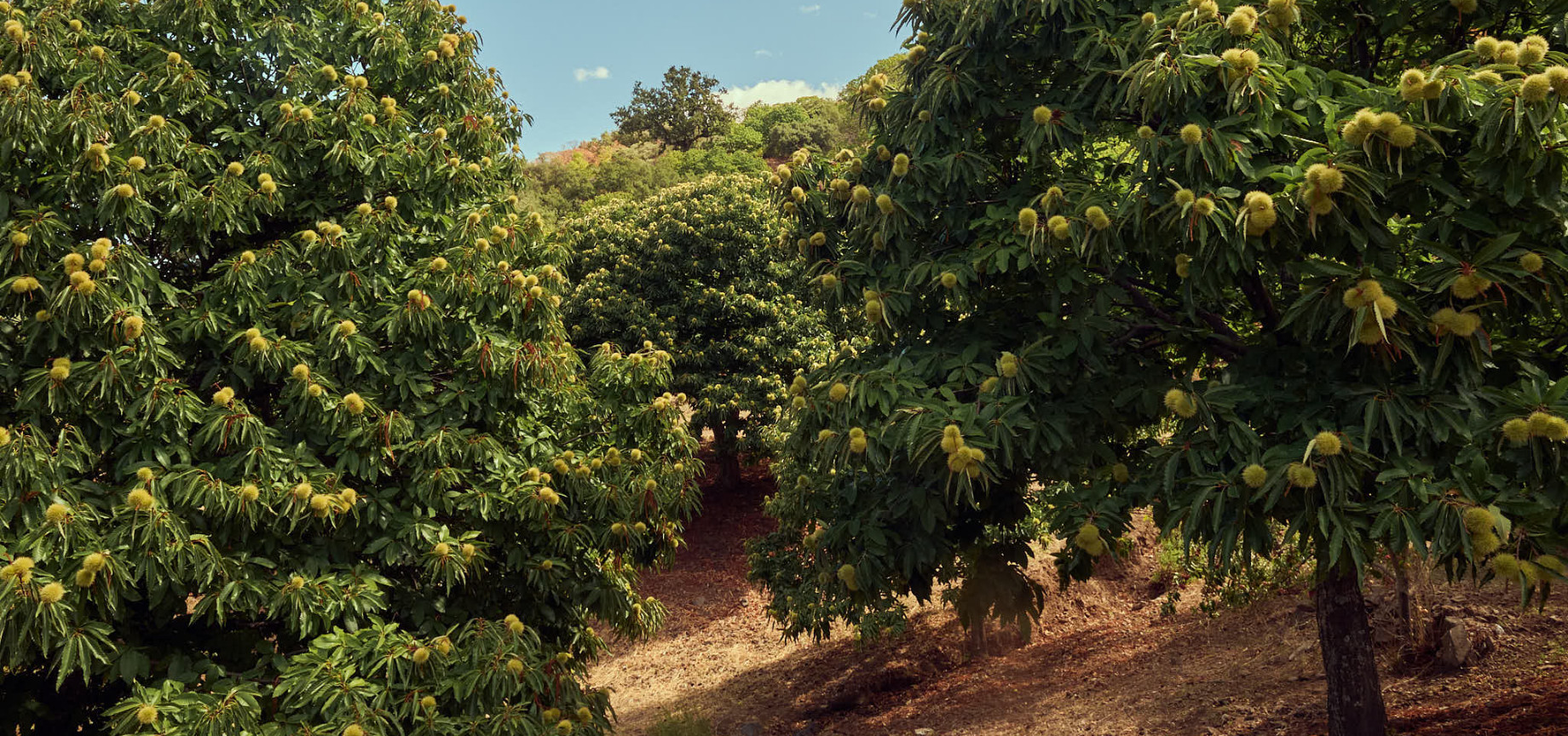
The Iberian temperate and humid Mediterranean forest predominates. And there are abundant Spanish firs, pines, holm oaks, cork oaks, gall oaks, chestnut trees, carob trees and wild olive trees. The most forested areas are the Genal Valley, where oak and chestnut predominate, and the Guadiaro Valley where the strongest are oak and cork oak.

Human factor (05)

It is a region made up of 23 municipalities, with its capital in Ronda, but with many villages scattered throughout the mountains, most of them with only a few hundred inhabitants, and which have traditionally lived from agriculture, livestock and crafts (woodworking, ceramics, forging, saddlery, cork and esparto work).

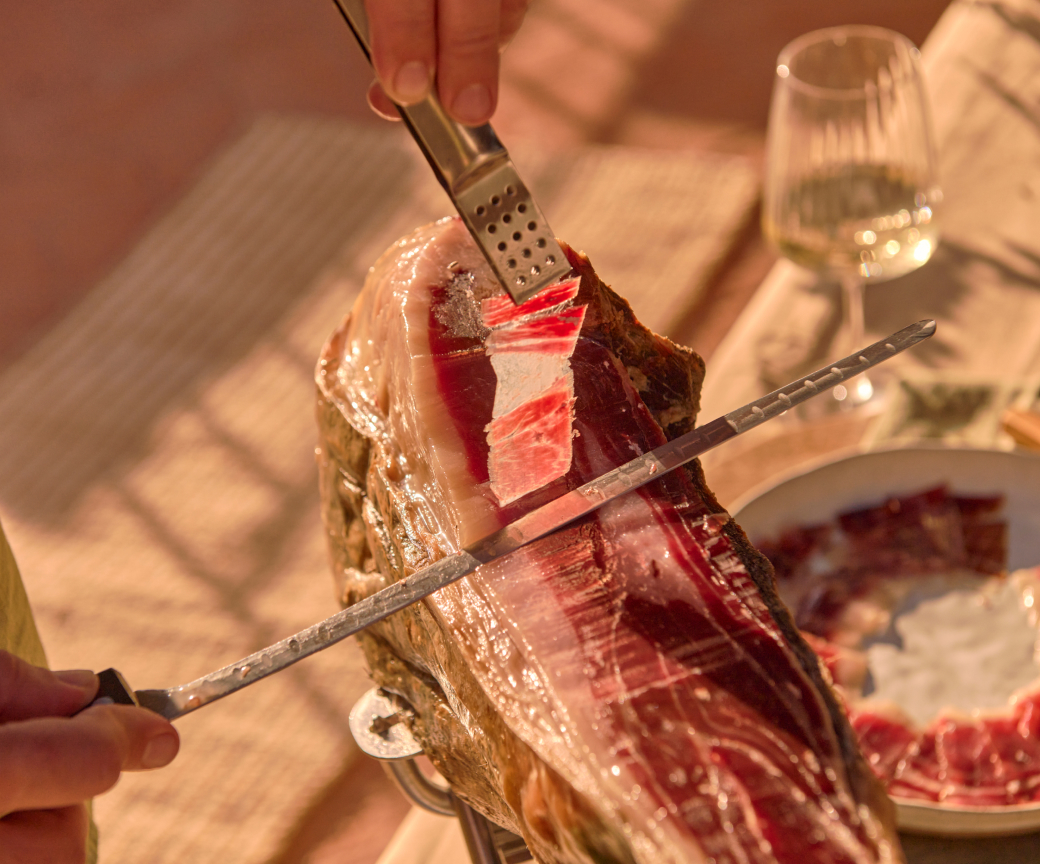
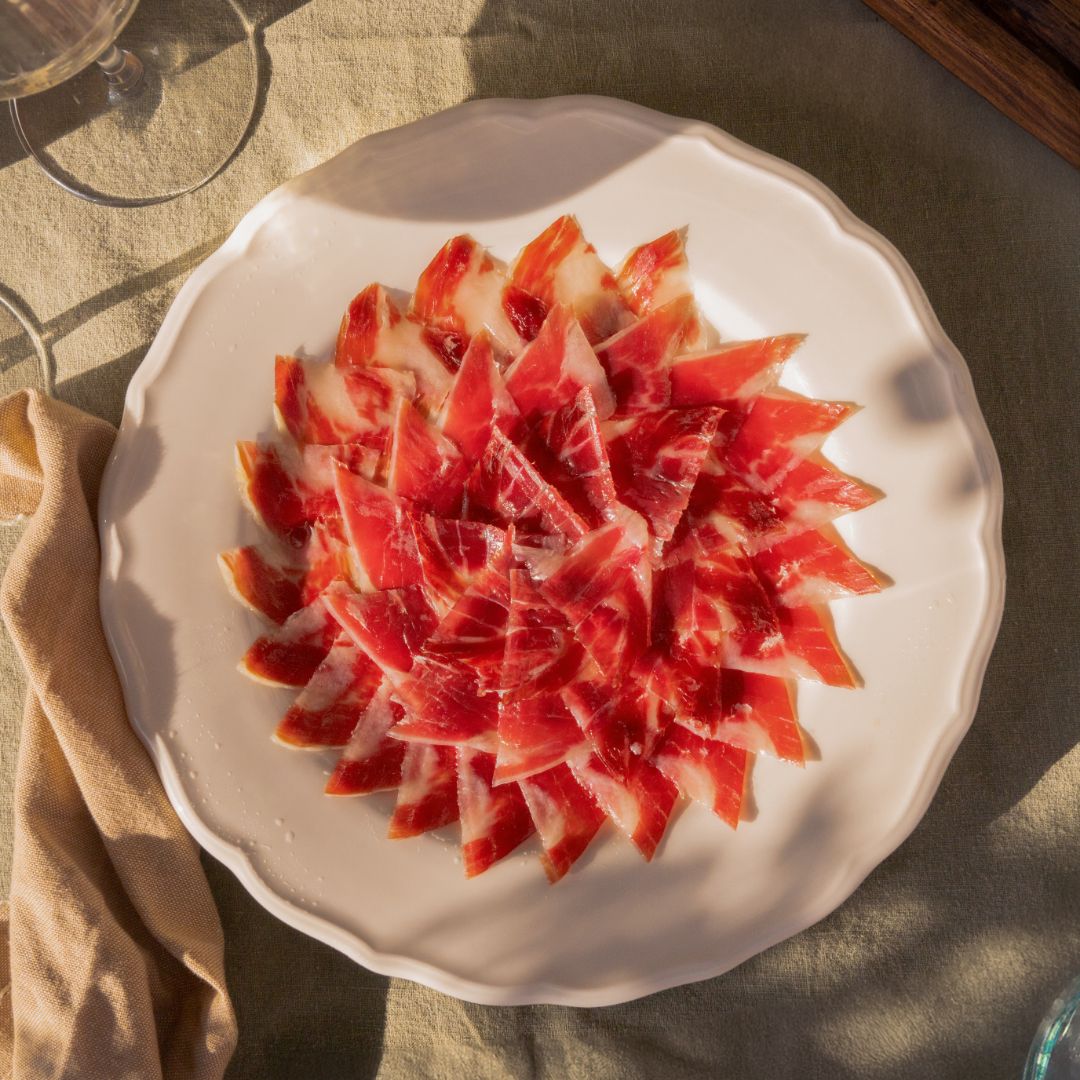
Today, it has a powerful tourism sector focused on its capital, Ronda, and also a powerful agri-food sector (Iberian pork products, goat cheese, handmade sweets, chestnut products, forest honey, homemade liqueurs, musts...) and the hotel and catering industry.

Venture into our store - You will discover unique pieces for your palate.

Newsletter - We always keep you up to date with our news.

Basket( 0 )