News -
Why summer is one of the best times to enjoy Iberian ham
Find out more

NEWS published in the supplement Málaga en la Mesa of DIARIO SUR (November 19, 2014):
http://www.malagaenlamesa.com/noticias/201411/19/secreto-jamon-castana-genal...
Reproduction of the news item:
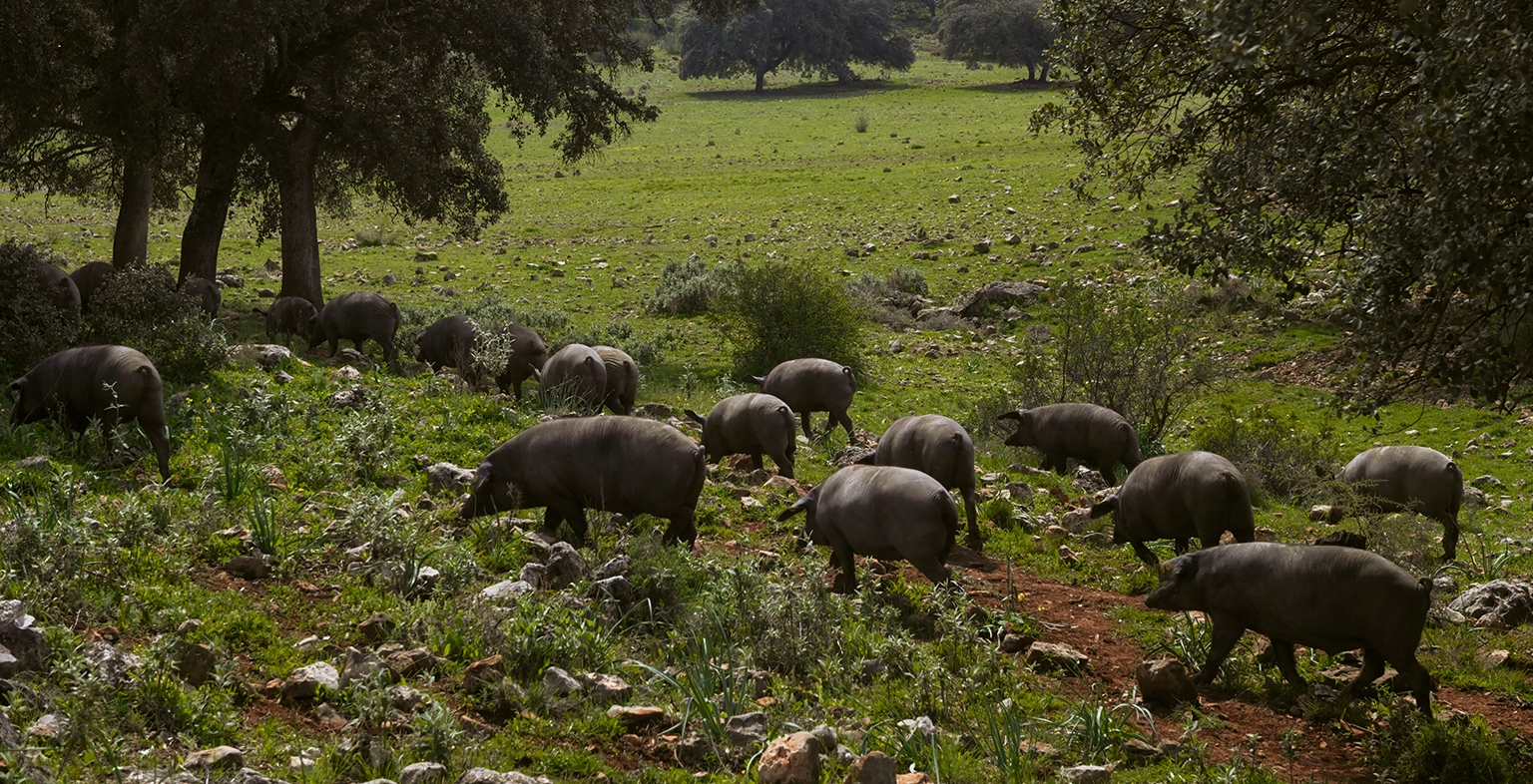
Pig farming has been one of the pillars of the economy of the Genal Valley since the Reconquest until the rural exodus began in the late 50's of the 20th century. The ecosystem of pasture land in the upper basin of the river, especially in Pujerra, Faraján and Júzcar, with vegetation in which holm oaks, cork oaks and gall oaks alternate with chestnut forests, constitutes a privileged environment for extensive rearing of Iberian pigs, as is well known by some of the most prestigious firms of Iberian hams and sausages in Huelva, which until recently have bought the Genal pigs to produce their products.
But the high-end food market is eager for discoveries, and the natural complement to the diet of Genal pigs has always been the chestnut, which gives their hams special aromas, a more melting and ethereal fat and very slight hints of sweetness in the mouth that make these products something special.
Two companies in the area now produce ‘chestnut’ ham; Jamones Alto Genal and La Dehesa de los Monteros. The Dehesa of the Monteross is the project of Consuelo Gámez Amián and her children, Ignacio, Pepe and Chelo. Gámez was one of the first professors at the University of Málaga. A professor of Economic Theory, when she retired she went into practice and, combining her love of the countryside with her passion for a product such as Iberian ham, she began by conditioning a farm she had bought in the municipality of Pujerra and raising first 50 pigs, then 100, and this year, 500 pigs from pure Iberian breed before the acorn-feeding season, they have a pre-feeding season in which they feed on chestnuts.
In early November, the acorns begin to ripen on the steep slopes of the Alto Genal. It is Sunday, and Consuelo Gámez comes up from Málaga to monitor the animals« progress and talk to the farmers she works with. Her 500 pigs are distributed among her farm, located on the slopes of the valley that descends from Pujerra to the river, two more leased in Faraján, and six private farms whose owners raise pigs for her. »The basis of the relationship between us is trust," says the businesswoman.
Future value
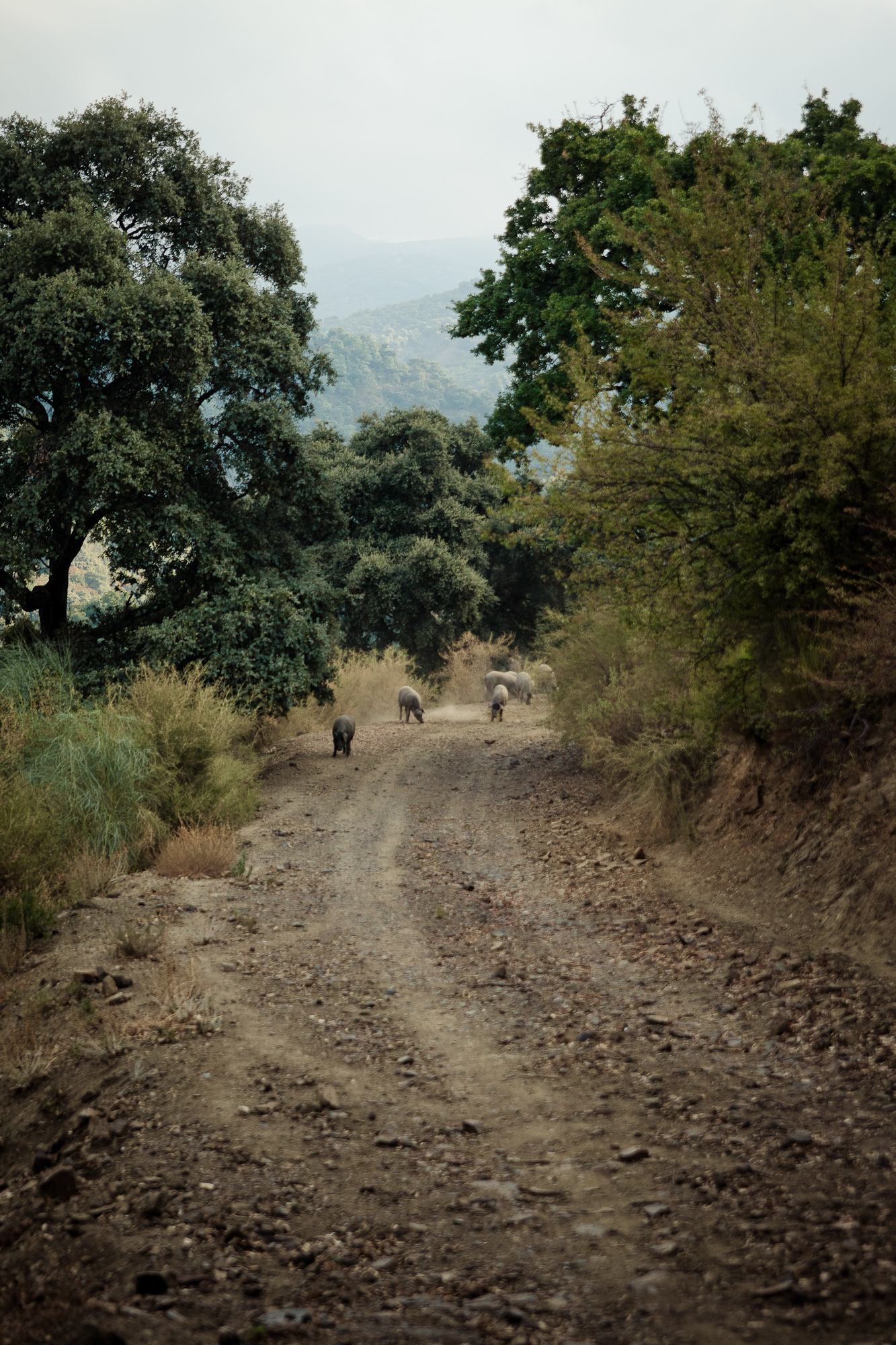
«Before, they used to buy the pigs from us to take them abroad. Now the Genal is buzzing with ham and it is possible that our grandchildren can make a living from this,» says Víctor Galindo, farmer and grandfather of Juan and Raúl, 8 and 9 years old, who already know everything there is to know about pigs. «They are my favorite animals because they are noble and very smart,» says Raúl. So smart that as soon as Benito, the manager of the Gámez farm, arrives with the sacks of chestnuts to scatter the fruits along the paths, eight or ten pigs materialize out of nowhere, agile as goats despite their 10 or 11 arrobas in weight (an arroba is 11.5 kg). The farm has 52 hectares and a vegetation dominated by oaks and cork oaks. Forty-five free-ranging adult pigs live there like marajás. «The new law requires a ratio of approximately one pig per hectare,» he explains. In the bush, the pig has to exercise more than in the flat pasture. This means that it generates less fat and that it is more infiltrated.
They are purebred Iberian pigs, and wear one to three colored ear tags. The first, yellow, contains the identification of the farm, and if there are more, it is to indicate that the animal has moved from one farm to another. The control of traceability is very rigorous, but even more so is the control of feeding. If before the montanera the pig is around 10 arrobas, at the end it has to reach 14 or 15. Animals that do not reach the minimum weight required by the quality standard for acorn-fed Iberian pigs are not certified. The fat analysis must show a 53% percentage of oleic acid, indicating that the pig has been fattened on acorns. Gámez does another analysis in the summer. In August, his pigs were already over 54% in oleic in some farms. «Acorns are fundamental, but I am concerned about everything the pig eats from birth, and I provide the farmers I work with with the feed so that all the pigs have a controlled and homogeneous diet,» he says. The phone rings. The Igualeja cooperative sends 5,000 kilos of chestnuts to supplement the chestnuts the animals find in the fields. «The more chestnuts they eat, the better,» he says.
The chestnut is earlier than the acorn. When the acorn begins to fall, the pigs will make it the center of their diet. «During the montanera, the animals are weighed regularly, and those that reach 14 arrobas are slaughtered. The montanera lasts until February, which is when the acorns finish and the slaughtering begins. If the animals were kept alive longer, the meat would lose quality».
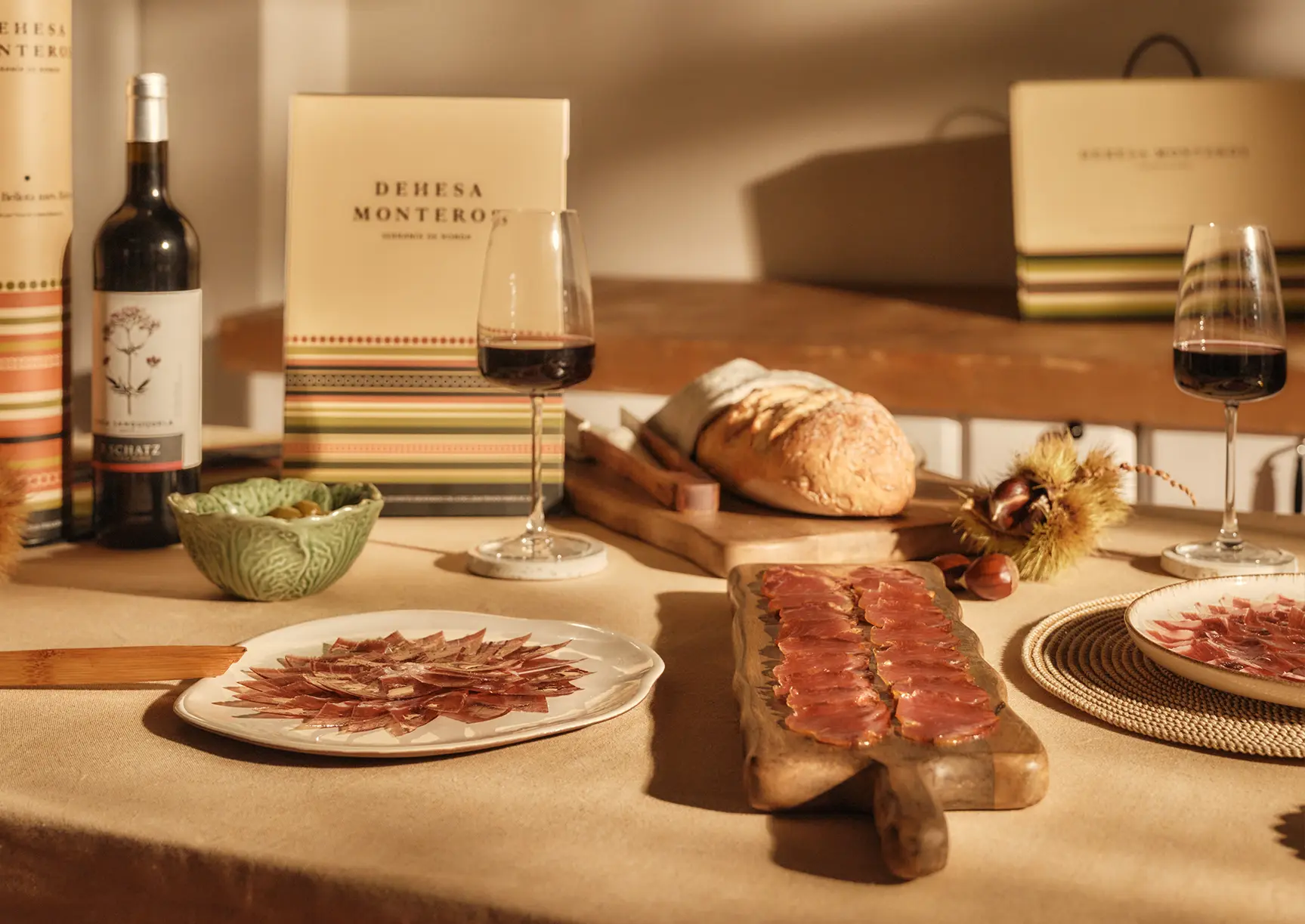
When the adult pigs have been slaughtered, the piglets, born in May and fed on a mixture of grain cereal, will leave the plot where they are kept to prevent them from competing with the adults for acorns and become the masters of the mountain. By then, the hams and sausages of their elders will be hanging in the drying shed. To taste these hams you will have to wait three to three and a half years, and the shoulders need two. Luckily, in four months there will be loins, sausages and chorizos.